


The uptick comes despite an ongoing slump in trade with the US, where Chinese exports fell nearly 29 percent from a year earlier in the eighth consecutive month of double-digit declines.
Beijing’s exporters have leaned increasingly on developing markets this year. Shipments to Africa, Southeast Asia, and Latin America have picked up, offering some relief as US demand weakens.
ADVERTISEMENT
Imports also improved, rising 1.9 percent in November compared with 1 percent in October. The increase suggests pockets of resilience in domestic demand even as China continues to grapple with a prolonged property downturn and subdued consumer spending.
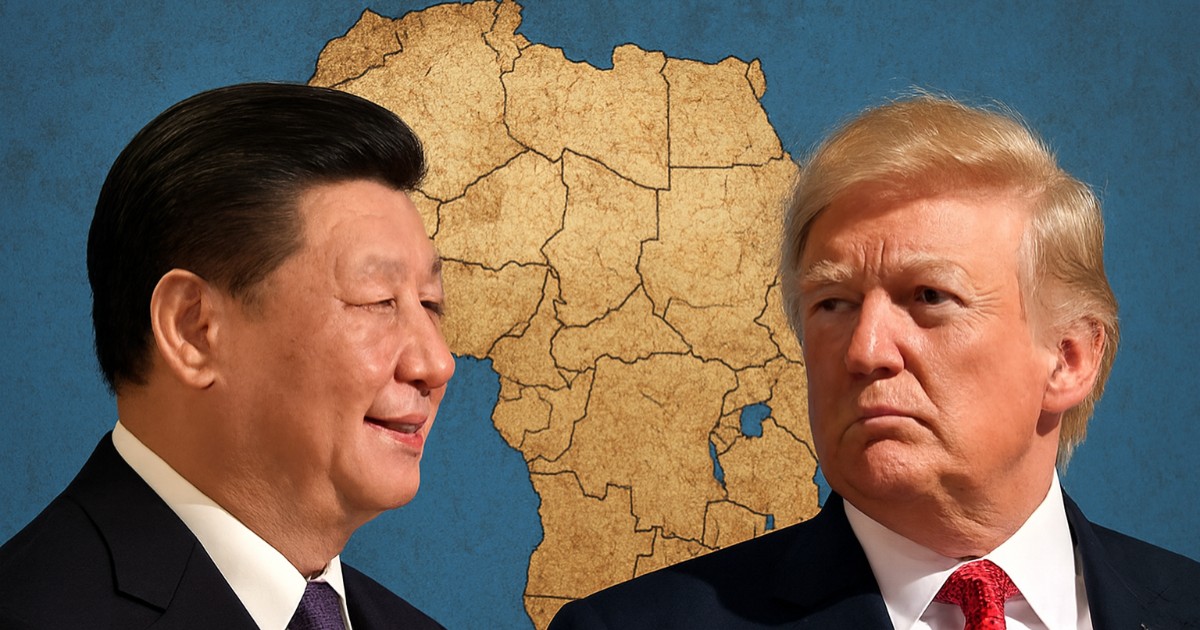
The recent trade truce between Beijing and Washington, agreed during the October meeting between President Donald Trump and President Xi Jinping in South Korea, has provided some room for optimism.
ING economists Lynn Song and Deepali Bhargava noted that China is now entering a period of unfavourable comparisons, reflecting strong export growth before Trump introduced substantial tariff hikes after returning to the White House.
ADVERTISEMENT
They warned that the truce’s impact may keep overall trade growth modest in the near term.
Factory activity contracted again in November, marking eight consecutive months of decline. Economists argue it is too early to confirm whether external demand is undergoing a genuine recovery.
Even so, Beijing appears on track to achieve its growth target of around 5 percent this year. Policy makers have already set advanced manufacturing as a priority for the next five-year plan, with more detailed strategies expected to emerge from an upcoming economic planning meeting.
Chief Asia Economist Chetan Ahya said China’s strength in electric vehicles, robotics, and battery technology will continue to give it an edge despite persistent global trade tensions.