



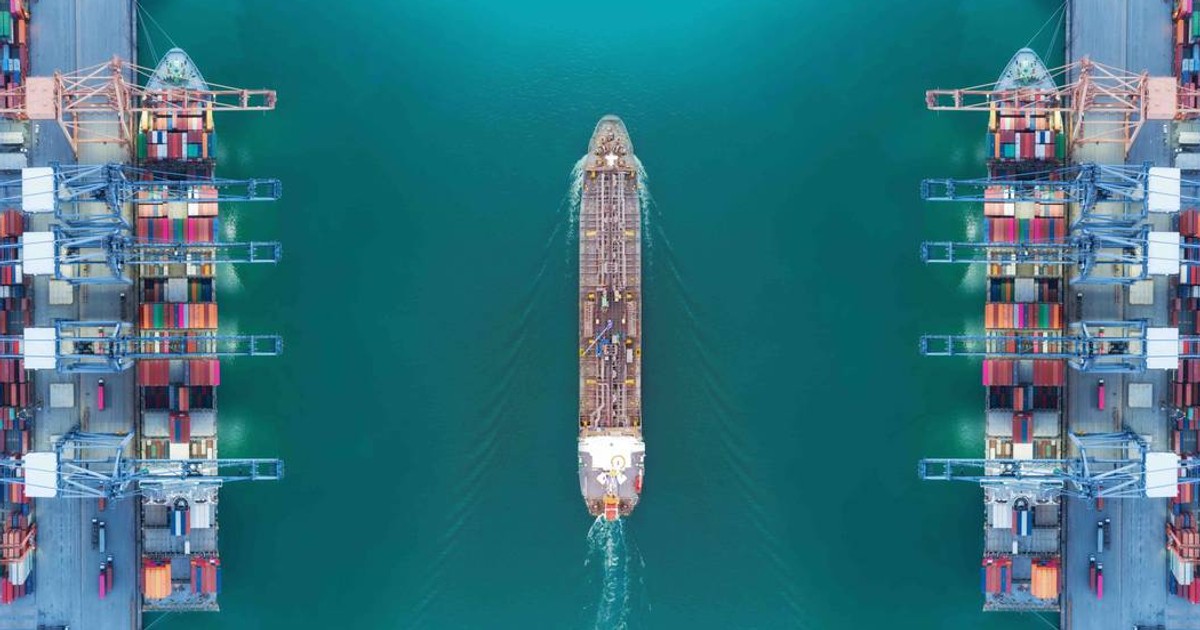
Morocco plans to open a new deepwater port on the Mediterranean next year, and another on the Atlantic in 2028, according to the Equipment and Water Minister Nizar Baraka, as the North African nation seeks to replicate the success of Africa’s largest port, Tanger Med.
The Nador West Med port, currently under construction on the Mediterranean coast, is scheduled to become operational in the second half of 2026, according to Reuters.
The facility will offer 800 hectares for industrial activity, with plans to expand to 5,000 hectares, surpassing Tanger Med’s industrial zones.
ADVERTISEMENT
It will also host Morocco’s first liquefied natural gas (LNG) terminal, a floating storage and regasification unit (FSRU) linked by pipeline to industrial hubs in the northwest, supporting Morocco’s push to shift from coal to natural gas and renewables.
Dakhla: Atlantic Deepwater Hub
Further south, Morocco is building a $1 billion port in Dakhla, located in the disputed Western Sahara region. The facility will sit on 1,600 hectares for industrial development and 5,200 hectares of farmland irrigated with desalinated water.
ADVERTISEMENT
Scheduled to open in 2028, Dakhla will be Morocco’s deepest port, at 23 meters, capable of accommodating heavy industries that process raw materials from Sahel countries. Officials have positioned Dakhla as a gateway for landlocked Sahel nations to access global trade.
They will join Tanger Med and Jorf Lasfar, Morocco’s existing deepwater ports focused on energy, bulk cargo, and phosphate exports. By 2024, Tanger Med’s industrial zones hosted 1,400 firms employing 130,000 people across sectors, including automotive, aeronautics, textiles, agri-food, and renewable energy.
Morocco is also exploring a port in Tan-Tan on the Atlantic coast in partnership with investors in green hydrogen.