



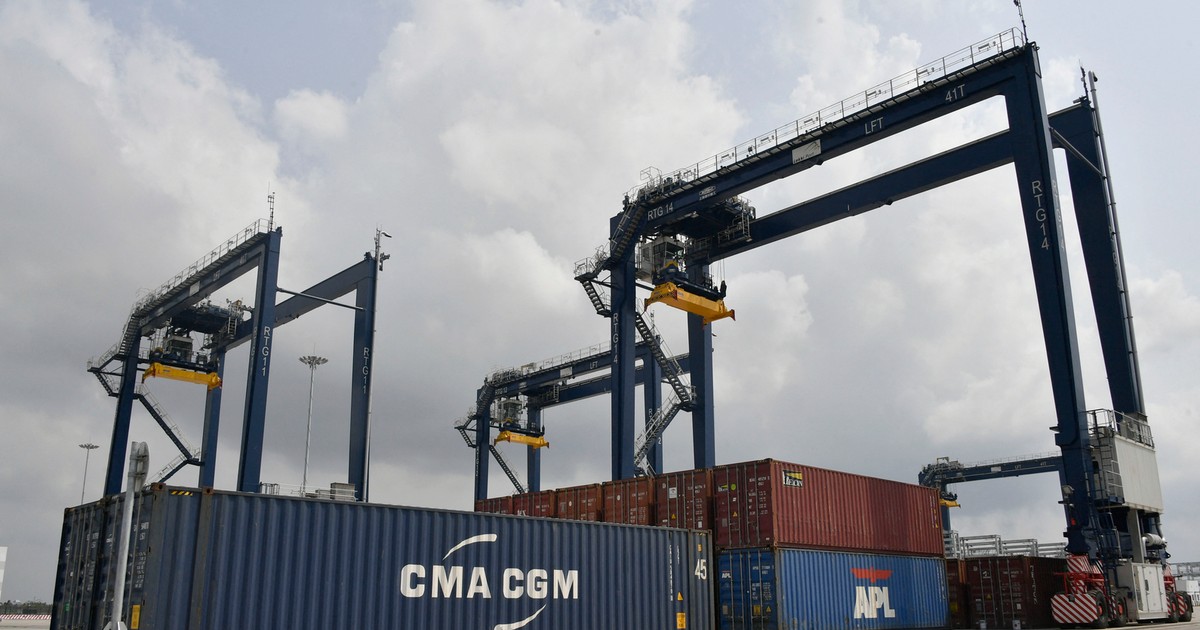
This performance positions the port as the country’s second-largest in trade value, a remarkable rise for a facility that began commercial operations only in 2023.
The latest figures, drawn from Nigeria’s official “Trade by Top 10 Posts/Ports of Operation” data for January to September, show that Lekki’s trade value substantially eclipses that of long-established competitors.
ADVERTISEMENT
At an end-of-year briefing with media in Lagos, Wang Qiang, Managing Director of Lekki Port LFTZ Enterprise Limited, said the figures reflect growing confidence among global shipping lines and cargo owners.
He noted that container volumes have climbed steadily since September, helping the port reach around half of its designed capacity much earlier than analysts expected.
“The pace of growth underscores how quickly the market is recognising the value of modern infrastructure,” he said.
Wang said the deep-water facility’s deeper draught, automation, and ability to handle larger vessels have been key factors in its swift ascent.
ADVERTISEMENT
Captain Jedrzej Mierzewski, Chief Executive Officer of Lekki Freeport Terminal, described the trade figures as unprecedented in Nigeria’s maritime history, especially for a port with fewer years in operation than most of its rivals.
He pointed to barge operations as an important alternative to congested road haulage, with around ten per cent of cargo currently moving by inland waterways to ease pressure on Lagos’s road network.
While celebrating the results, executives also stressed that sustained growth hinges on improvements in hinterland connectivity. Wang highlighted the importance of completing major infrastructure projects such as the Lagos-Calabar Coastal Road and expanding rail links to support burgeoning industrial activity along the Lekki corridor. Without such enhancements, he warned, trade bottlenecks could persist despite the port’s automation.
Another area flagged for urgent attention is digital integration among government agencies. Although the port itself operates fully automatically, Wang said delays will persist unless agencies such as the Nigeria Customs Service adopt integrated digital processes across the cargo clearance chain.
ADVERTISEMENT
The rapid rise of Lekki Deep Sea Port marks a shift in Nigeria’s maritime trade landscape, with analysts noting that the new facility is drawing high-value cargo away from legacy ports and reshaping how goods flow into and out of Africa’s largest economy.