


Beyond its symbolism, the legislation formally demands an apology and reparations from France, embedding colonial accountability into Algeria’s legal framework for the first time.
The law assigns France legal responsibility for what it describes as the human, economic, and environmental damage inflicted during 132 years of colonial rule, from 1830 until independence in 1962. It catalogues alleged crimes including extrajudicial killings, torture, enforced disappearances, nuclear tests, and the systematic exploitation of land and resources.
ADVERTISEMENT
Speaking after the vote, parliamentary speaker Ibrahim Boughali said the law sent “a clear message, both internally and externally, that Algeria’s national memory is neither erasable nor negotiable,” according to the state news agency APS.
The text further asserts that “full and fair compensation for all material and moral damages caused by French colonisation is an inalienable right of the Algerian state and people”.
While legal experts note that the legislation carries no binding international force, its political weight is considerable. Hosni Kitouni, a colonial history researcher at the University of Exeter, told AFP that although the law cannot compel France to act, “its political and symbolic significance is important; it marks a rupture in the relationship with France in terms of memory.”
The Algerian war of independence between 1954 and 1962 remains particularly sensitive, with Algiers estimating that 1.5 million Algerians were killed during the struggle.
ADVERTISEMENT
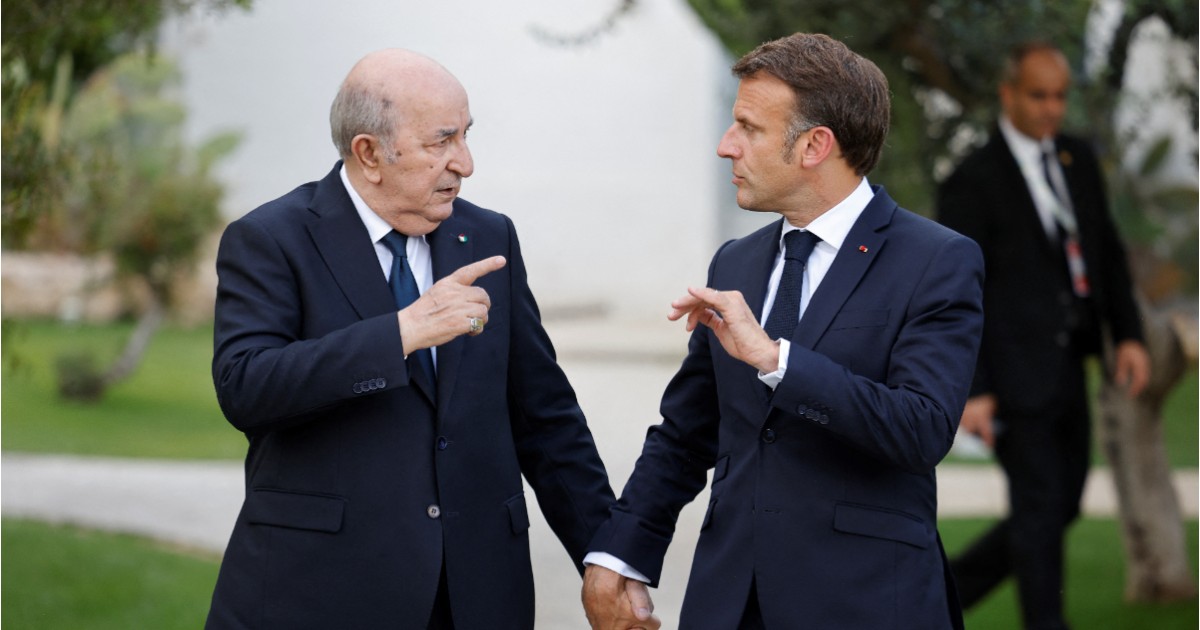
French President Emmanuel Macron has previously acknowledged the brutality of the colonial period, describing it as a “crime against humanity,” but has consistently rejected issuing a formal apology.
In 2023, he reiterated that stance, saying it was not his place to ask for forgiveness.
Paris has so far declined to respond directly to the latest vote. A spokesperson for France’s foreign ministry said the government would not comment on “political debates taking place in foreign countries”.
The legislation comes amid already strained relations as tensions have risen since France backed Morocco’s autonomy plan for Western Sahara in July 2024, a position opposed by Algeria, which supports the Sahrawi independence movement.
ADVERTISEMENT
For African and global observers, the law underscores how unresolved colonial legacies continue to shape diplomacy, identity, and power relations long after independence.