


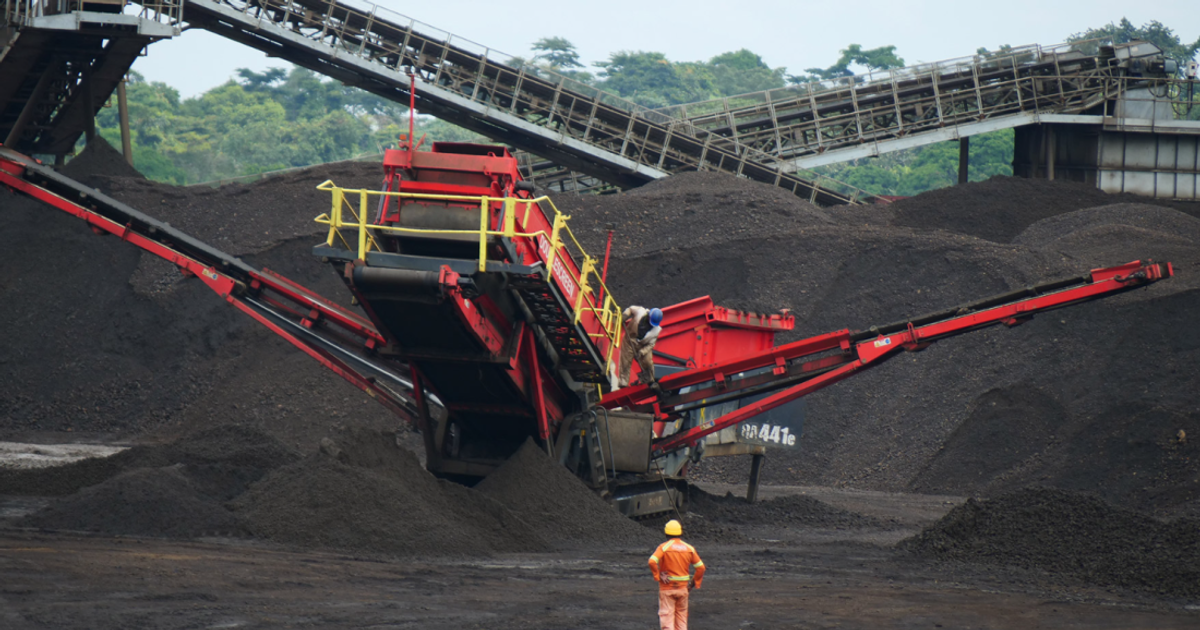
According to Reuters, Transalloys, which runs the country’s only functioning manganese smelter, has warned that it may be forced to shut the plant and cut hundreds of jobs unless power tariffs are urgently reduced.
The company’s chief executive, Konstantin Sadovnik, said the business has been operating at a loss for about three years, largely because of sharply rising electricity prices.
“Energy is our biggest cost driver,” Sadovnik told local broadcaster Newzroom Afrika, noting that power accounts for nearly 40% of total operating expenses.
ADVERTISEMENT
The potential closure would have significant social and economic consequences.
Transalloys plans to cut around 600 direct jobs, a move Sadovnik said could affect as many as 7,000 livelihoods in the wider eMalahleni municipality where the plant is located.
“Their jobs are indeed on the line,” he said.
Sadovnik said the smelter could be mothballed in the near term or closed permanently, depending on whether manganese producers are included in a proposed electricity pricing framework currently under discussion between the government and the ferrochrome industry. The company hopes for clarity within the next two months, warning that restructuring would begin around February if no solution is found.
ADVERTISEMENT
Why South Africa’s energy crisis is squeezing industry
While load-shedding has eased, electricity tariffs continue to climb, placing heavy pressure on energy-intensive sectors.
Eskom remains exposed to structural risks from unpaid municipal debt.
Local governments account for 42% of electricity sales, yet many councils are financially strained and behind on payments, worsening Eskom’s cash-flow challenges and leaving it vulnerable to renewed instability.
ADVERTISEMENT
Analysts warn that without stronger enforcement or debt-relief measures, efforts to stabilise tariffs and support industry may falter.
High electricity costs have already forced more than a dozen smelters to shut down, costing thousands of jobs.
The energy regulator, Nersa, is reviewing interim tariff adjustments for ferrochrome smelters, while the government works on longer-term measures to make industrial electricity more competitive.
Outcomes here will be decisive not just for manganese smelters but for the broader manufacturing sector.
ADVERTISEMENT
South Africa is the world’s largest manganese producer, a key input for steelmaking. But limited smelting capacity means most of the mineral is exported in raw form, undermining value addition and domestic job creation.